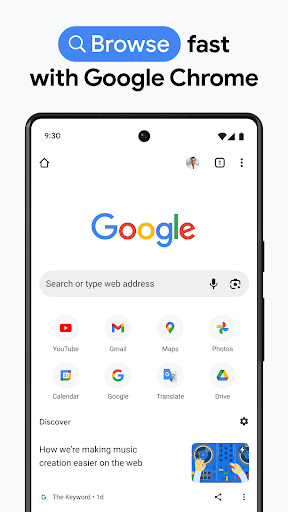
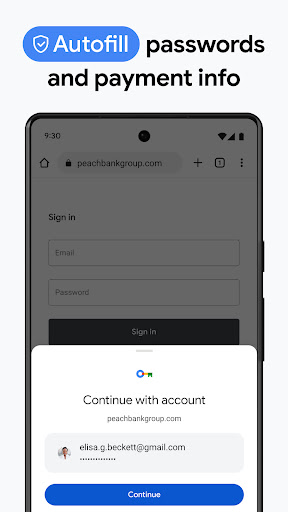
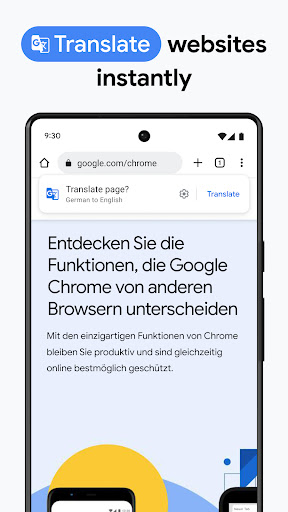
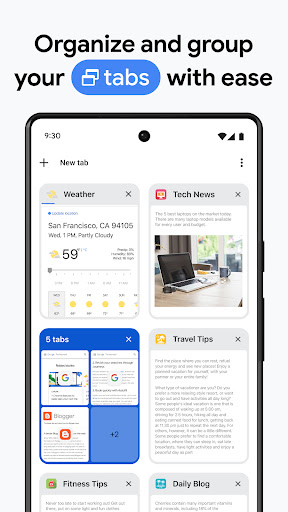
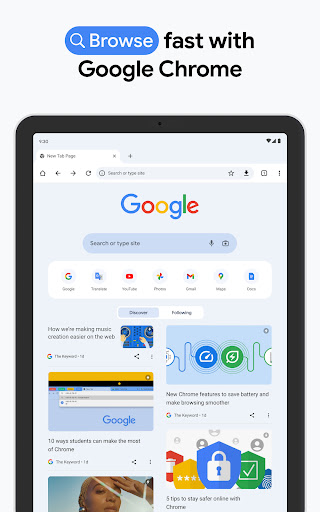
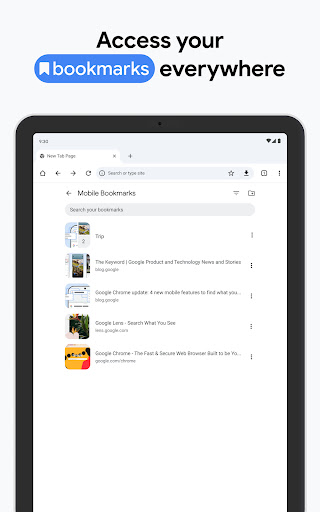
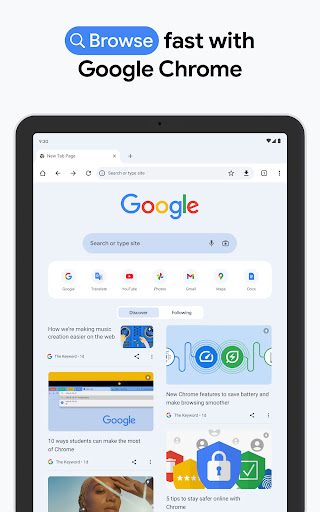
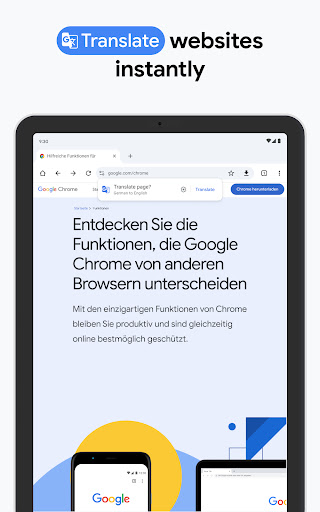
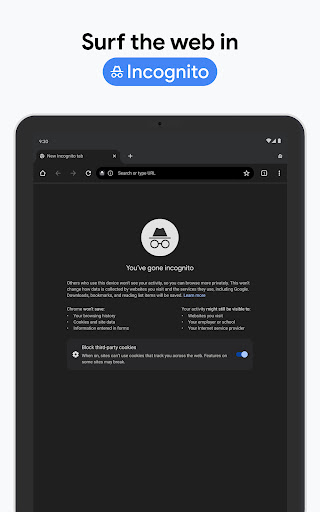
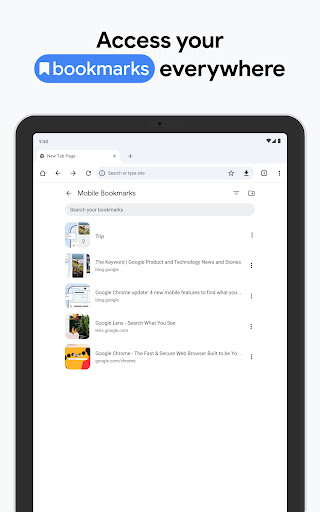
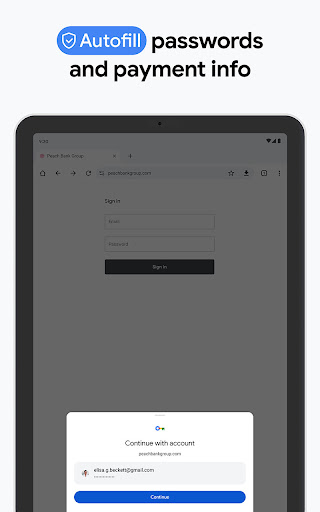
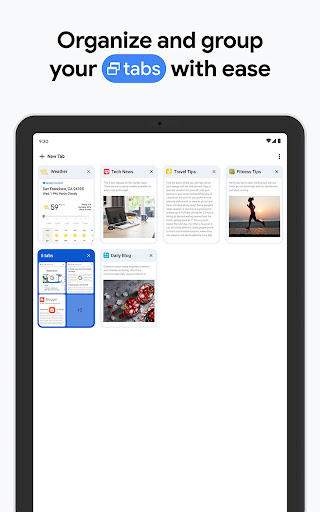
Google Chrome is a fast, widely used web browser from Google that focuses on speed, simplicity, and deep integration with Google services. Available across desktop and mobile platforms, Chrome offers synchronized bookmarks, history, passwords and tabs via a Google account, a large extension ecosystem, built‑in security features, and frequent updates to address performance and privacy.
This release delivers important security patches and stability fixes, along with performance and battery optimizations to make browsing smoother on both desktop and mobile. Google is advancing Privacy Sandbox changes to limit cross‑site tracking while rolling out related controls so you can manage privacy and ad experiences more easily. The extension platform continues to transition toward Manifest V3 for improved security and performance; some legacy extensions may behave differently after updating. Newer builds also surface AI/assistant features in the sidebar for quick summaries and writing help, plus incremental Web platform and DevTools updates for developers. Update Chrome via your device’s normal channels and enable automatic updates to get these fixes and features as soon as they’re available.
1. Excellent performance and compatibility—renders most websites reliably and is frequently updated.
2. Seamless cross‑device sync and tight integration with Google services (Search, Drive, Gmail, Maps).
3. Vast extension ecosystem and strong developer tools for customization and web development.
1. Privacy concerns—deep integration with Google services means significant data collection unless settings are adjusted.
2. Manifest V3 and other platform changes have limited some powerful extensions, affecting functionality for certain users.
3. Chrome can be resource‑hungry on systems with limited RAM or battery‑constrained devices.
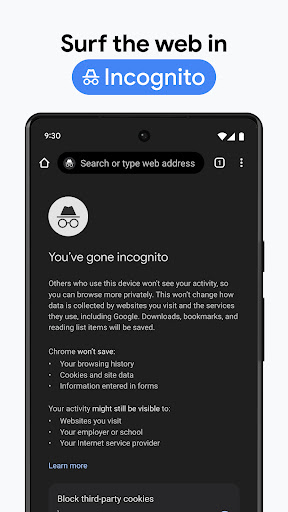
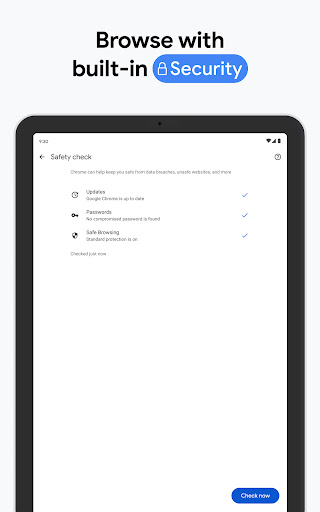
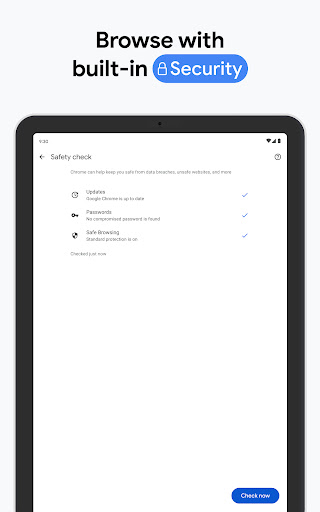
Chrome includes multiple safety layers—sandboxing, Safe Browsing, automatic updates, and site isolation—to protect against malware and phishing. However, privacy depends on user settings and Google account sync choices; review privacy controls and site permissions to limit data sharing.
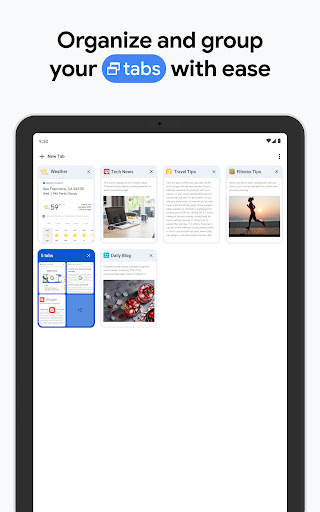
Use tab features like tab groups and sleeping tabs, close unused tabs, disable unneeded extensions, enable hardware acceleration if supported, and consider using Chrome’s Task Manager (Shift+Esc on desktop) to identify and close memory‑heavy tabs or extensions.
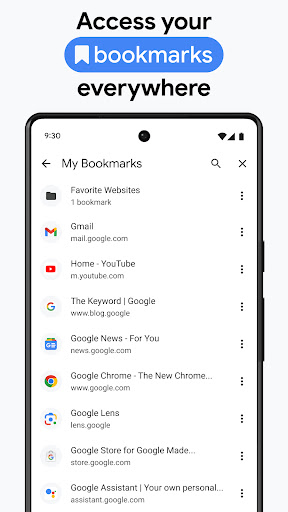
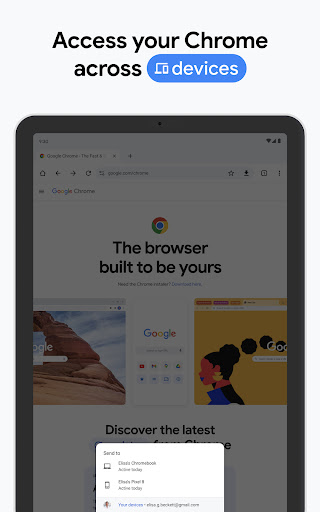
Sign in to Chrome with your Google Account and enable Sync (Settings → You and Google → Sync). Choose what to sync—bookmarks, passwords, history, tabs—and confirm that Chrome is signed in on each device to keep data synchronized securely.