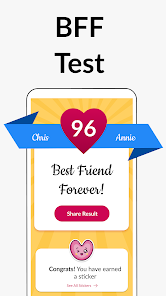
1. Encourages deeper connections by prompting fun, revealing questions that spark conversation, shared memories, and laughter; helps friends learn new things about each other in a low-pressure, playful format, making it easier to strengthen bonds, resolve misunderstandings, and create memorable moments during casual hangouts or special events.
2. Highly customizable quiz options let users create or choose question sets tailored to any friendship, age, or occasion; built-in templates, difficulty levels, and question banks increase replayability while allowing private or themed quizzes for birthdays, road trips, or game nights, ensuring every session feels fresh and personally relevant.
3. Simple, intuitive interface and quick setup make it easy for groups to jump into play; integrated social features like scoreboards, sharing, and cooperative modes boost engagement and friendly competition, while offline play and lightweight performance keep the app accessible during travel and low-connectivity situations.
1. Privacy and data security risks. The app collects personal answers, friend lists, and usage patterns that may be stored, shared, or sold to third parties. Weak permissions, insufficient encryption, or ambiguous data policies can lead to leaks, targeted advertising, or misuse of intimate information, compromising user and friends' privacy.
2. Relationship strain and embarrassment. Questions or revealed answers can expose sensitive opinions, secrets, or mismatched expectations, causing hurt feelings, arguments, or exclusion. Public leaderboards, gossip features, or pressured multiplayer sessions escalate social stress. The app can damage trust, create lasting awkwardness, and turn playful tests into real conflict.
3. Limited validity and misleading results. Simplified quizzes reduce complex friendships to binary scores or trivia, encouraging overreliance on gamified metrics. False positives or negatives misrepresent compatibility, while algorithm biases and poor question design produce arbitrary outcomes. Users may make poor relationship decisions based on unreliable, entertainment-focused data.